Maximizing Performance with Thermoset Injection Molding Innovations

Understanding Thermosets in Injection Molding
What are Thermoset Materials?
Thermoset materials form the backbone of many high-performance components produced through injection molding thermosets. These polymers undergo a chemical reaction during processing that creates permanent cross-links, locking the material into a rigid structure once cured. Unlike materials that soften repeatedly, thermosets maintain strength under heat and stress, making them ideal for demanding environments. Manufacturers rely on thermoset injection molding to produce parts that resist deformation, deliver consistent electrical insulation, and withstand continuous exposure to elevated temperatures.
The injection molding process for thermosets typically involves heating the material in a barrel until it reaches a flowable state, then forcing it into a heated mold where the curing reaction completes. Common formulations include epoxy, phenolic, and melamine resins, each tailored for specific mechanical or chemical requirements. This irreversible curing distinguishes thermoset molding from other methods and allows engineers to create complex geometries without compromising structural integrity. Industries value these properties because thermoset polymers deliver long-term reliability where failure carries high costs.
Differences Between Thermosets and Thermoplastics
Thermosets and thermoplastics respond differently during injection molding, which shapes their suitability for various applications. Thermoplastics such as acrylonitrile butadiene styrene and polypropylene soften when reheated, enabling easy recycling and reshaping. Thermosets, by contrast, cure permanently through cross-linking, so reheating does not return them to a moldable state. This fundamental difference affects everything from cycle times to end-use performance in injection-molded parts.
Designers choose thermosets when parts must endure high temperatures, aggressive chemicals, or continuous mechanical load without creep. Thermoplastic materials excel in applications requiring flexibility, impact resistance, or repeated processing. Injection molding thermosets often demands tighter temperature control and longer cure cycles compared with thermoplastic injection molding, yet the resulting components provide superior dimensional stability. Engineers evaluate these trade-offs early in product development to select the optimal material for each project.
Innovations in Thermoset Injection Molding
Advancements in Injection Molding Techniques
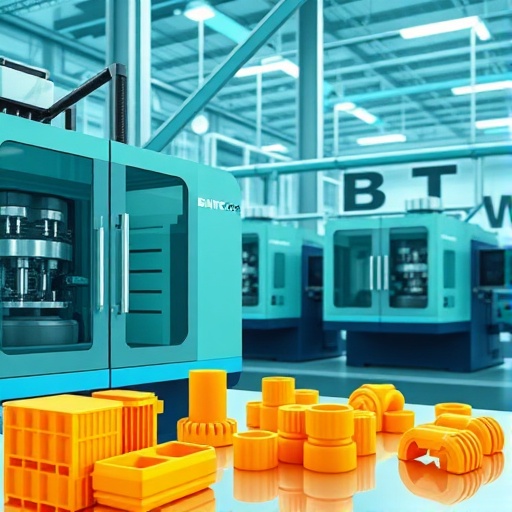
Recent refinements in injection molding techniques have expanded the capabilities of thermoset processing. Multi-shot and over-molding methods now combine thermosets with other substrates in a single cycle, reducing assembly steps and improving bond strength. Precision piston-driven injection units deliver consistent shot volumes, minimizing voids and ensuring uniform cure across large or intricate parts. These advances allow manufacturers to produce thinner walls and tighter tolerances while maintaining the mechanical advantages of thermoset polymers.
Process monitoring systems track cavity pressure, temperature profiles, and cure kinetics in real time, enabling immediate adjustments that reduce scrap rates. Hot-runner systems adapted for thermosets shorten cycle times without sacrificing part quality. As a result, companies achieve higher throughput on existing equipment while meeting stricter performance specifications. Continued development in mold design and material handling further supports the growth of thermoset injection molding across precision industries.
Integration of Smart Technologies in Molding Processes
Smart technologies now play a central role in optimizing thermoset injection molding. Sensors embedded in molds capture data on flow behavior, cure progression, and energy consumption, feeding information directly into adaptive control algorithms. Machine learning models analyze historical runs to predict optimal parameters for new part geometries, shortening setup times and improving first-pass yield. These digital tools help operators maintain tight process windows that thermoset materials require.
Integration with enterprise systems allows traceability from raw material lot to finished component, supporting quality documentation and regulatory compliance. Remote monitoring reduces downtime by flagging deviations before defects occur. Manufacturers that adopt these technologies report measurable gains in consistency and throughput, positioning thermoset molding as a competitive option for high-reliability applications. The combination of physical process improvements and data-driven oversight drives ongoing performance increases.
Applications of Thermoset Injection Molding
Industries Utilizing Thermoset Injection Molded Products
Automotive, electrical, and aerospace sectors depend heavily on thermoset injection molded components for their thermal and chemical resistance. Under-hood automotive parts such as intake manifolds and ignition housings benefit from the dimensional stability thermosets provide at elevated temperatures. Electrical manufacturers produce insulators, connectors, and switchgear housings that maintain dielectric strength even after prolonged exposure to heat and moisture.
Medical device companies use thermoset materials where sterilization cycles and biocompatibility matter. Appliance producers select thermosets for handles and internal structural elements that resist warping during extended service. The breadth of these applications demonstrates why injection molding thermosets remains a preferred route for components that must perform reliably under stress. Each industry leverages the unique cure chemistry of thermosets to meet regulatory and functional demands that thermoplastics cannot satisfy alone.
Case Studies: Success Stories in Thermoset Applications
A major automotive supplier replaced a multi-piece thermoplastic assembly with a single thermoset injection-molded bracket, cutting weight by 18 percent while improving heat resistance. The new part withstood continuous operation at 180 degrees Celsius without creep, eliminating warranty claims related to deformation. Production cycle time dropped after mold redesign incorporated optimized gate locations and piston velocity profiles.
In the electrical sector, a switchgear manufacturer adopted phenolic thermoset molding for arc chutes, achieving higher breakdown voltage and reduced tracking compared with prior polypropylene designs. Field data showed zero failures after five years of service in harsh environments. These examples illustrate how targeted application of thermoset injection molding delivers measurable gains in durability, cost, and performance across diverse product lines.
Challenges and Solutions in Thermoset Injection Molding
Addressing Recyclability Concerns
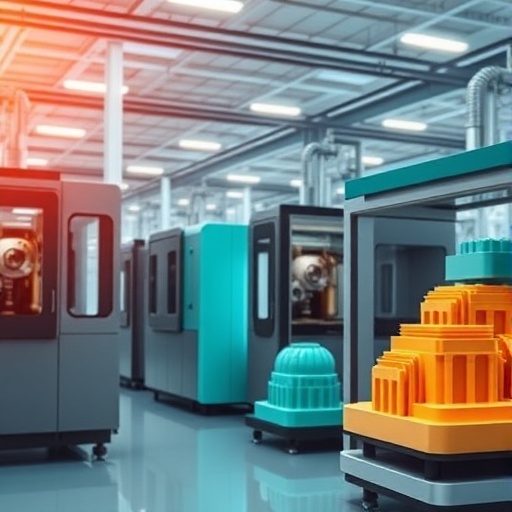
Recyclability remains a key consideration for thermoset injection molding because cured parts cannot be remelted like thermoplastics. Manufacturers address this by grinding cured scrap into filler for new compounds, recovering up to 30 percent of material volume without significant property loss. Closed-loop systems capture runner and sprue waste directly at the press for immediate reintroduction, lowering raw material costs and landfill impact.
Research into chemically recyclable thermoset formulations shows promise for future closed-loop recycling at the polymer level. In the meantime, design strategies that minimize material use and facilitate disassembly extend product life and support circular economy goals. Companies that implement these practices meet customer sustainability requirements while preserving the performance advantages of thermoset materials in injection molding.
Overcoming Chemical Resistance Issues
Thermoset parts often encounter aggressive chemicals in automotive fluids, industrial cleaners, or sterilization agents. Formulation adjustments, including higher cross-link density and specialized fillers, improve resistance to swelling, cracking, and degradation. Surface treatments such as plasma or coatings further enhance barrier properties without altering bulk mechanical performance.
Process controls during injection molding thermosets ensure complete cure, which directly correlates with chemical durability. Accelerated aging tests validate material selections before production release. By combining material science with precise molding parameters, manufacturers deliver components that maintain integrity after years of exposure, satisfying the strictest application requirements across multiple sectors.
Future Trends in Thermoset Injection Molding
Sustainability in Thermoset Production
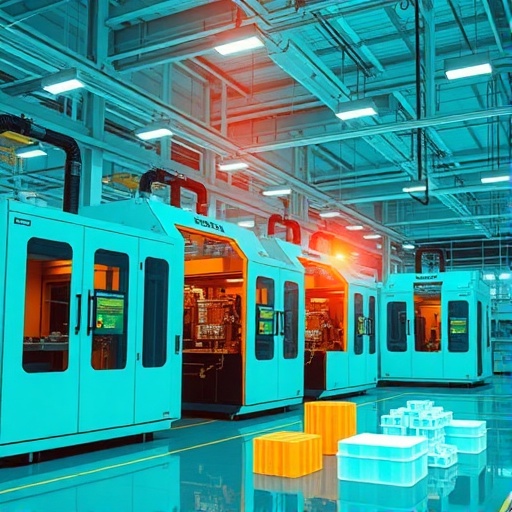
Sustainability initiatives now influence every stage of thermoset production. Bio-based resins derived from renewable feedstocks reduce reliance on petroleum while maintaining cure characteristics required for injection molding. Energy-efficient heating systems and optimized cycle profiles lower the carbon footprint of each molded part. Water-based release agents and solvent-free cleaning methods further decrease environmental impact during manufacturing.
Life-cycle assessments guide material and process choices, helping companies quantify improvements and communicate results to stakeholders. As regulations tighten, these sustainable practices position thermoset injection molding as a responsible option that balances performance with environmental responsibility. Continuous investment in greener chemistries and efficient equipment will shape the next generation of thermoset components.
The Role of ISO 13485 in Thermoset Manufacturing Standards
ISO 13485 certification establishes rigorous quality management requirements for medical device manufacturers that rely on thermoset injection molding. The standard mandates documented process controls, risk management, and traceability that align with the precision demands of thermoset curing. Facilities implementing these systems achieve consistent part quality and streamlined regulatory submissions.
Compliance also drives adoption of validated cleaning protocols, environmental monitoring, and supplier controls specific to medical-grade thermoset materials. Companies that integrate ISO 13485 practices into thermoset molding operations gain access to regulated markets while demonstrating commitment to patient safety. This framework supports broader industry movement toward standardized, high-reliability production of injection-molded thermoset products.
See Also
- A Comprehensive Guide to Thermoset Injection Molding Techniques
- How Thermoset Materials Revolutionize the Injection Molding Industry
- Exploring the Advantages of Injection Molding for Thermoset Plastics
- Understanding the Chemistry Behind Thermoset Injection Molding
- Why Thermosets are the Unsung Heroes of Injection Molding Applications