The Future of Duct Systems and the Role of Advanced Fabrication Methods
Innovations in Ductwork Fabrication
Emerging Technologies in Duct Manufacturing
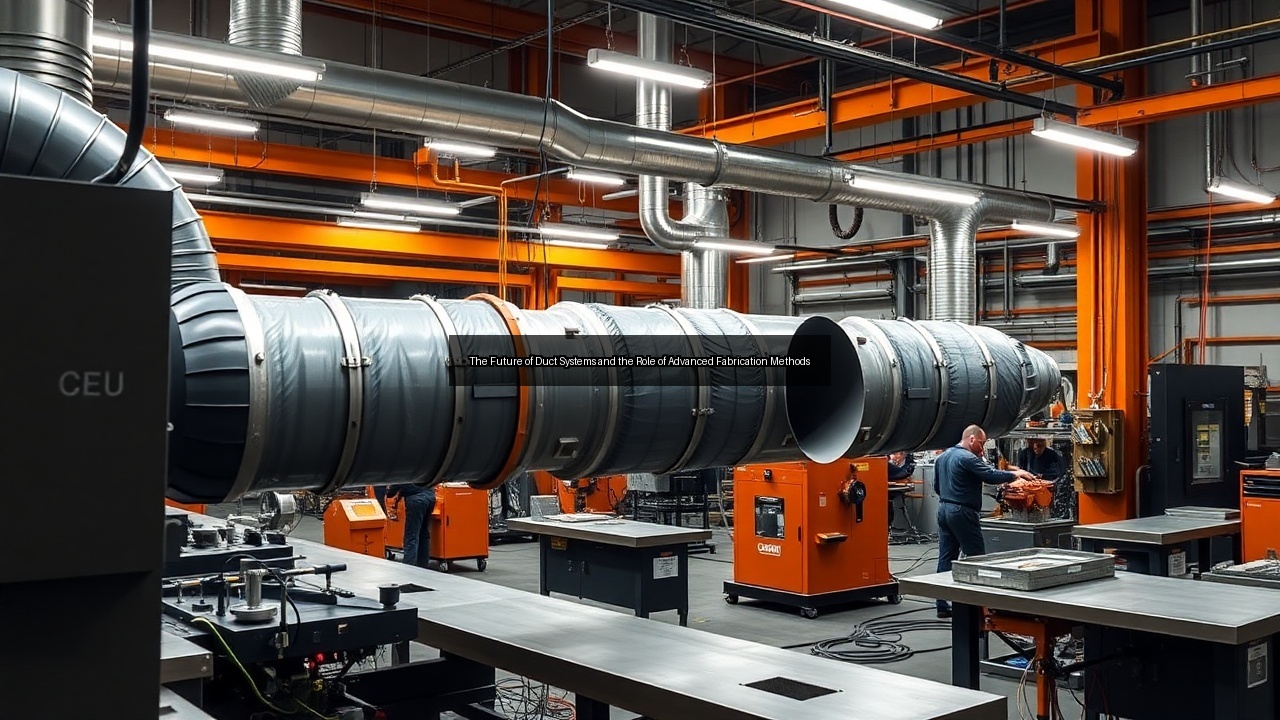
Manufacturers now apply laser cutting systems and robotic welding arms to produce precise duct components faster than traditional methods allow. These tools cut sheet metal with minimal waste while creating complex shapes that fit modern hvac duct layouts. Duct fabrication services integrate plasma cutters and automated seamers that handle galvanized steel and aluminum with equal accuracy. Engineers test new alloys that resist corrosion in high-humidity environments, extending the service life of air ducts. Companies also explore additive manufacturing to print custom fittings on demand, reducing lead times for replacement parts. The result appears in tighter tolerances that improve airflow and lower energy consumption across entire hvac systems. Fabricators who adopt these technologies gain the ability to deliver consistent quality on large-scale commercial projects. Ductwork fabrication shops that invest in training programs keep operators skilled at programming and maintaining the equipment. This shift supports faster project turnaround while meeting stricter building codes for air distribution.
The Shift Toward Automation in HVAC Fabrication
Automation transforms duct fabrication by linking conveyor systems with computer-controlled presses that bend and fold metal sheets without manual intervention. Workers load raw material at one end and receive finished duct sections at the other, ready for insulation or assembly. Software directs the machines to adjust for different duct sizes and configurations in real time. This approach cuts labor costs and reduces human error that once caused leaks in hvac ducts. Shops now run overnight shifts with minimal supervision, increasing output without expanding floor space. Automation also allows rapid changeovers between residential and industrial ductwork orders. Technicians monitor production dashboards that flag tool wear or material defects before they affect finished products. The integration of sensors throughout the fabrication process provides data that helps managers optimize schedules and inventory. As a result, ductwork fabrication services meet tight construction deadlines while maintaining high standards for airflow performance.
Benefits of Advanced Fabrication Techniques
Advanced techniques deliver ducts with smoother interior surfaces that reduce friction and improve overall airflow efficiency. Contractors report fewer callbacks because seams hold tighter under pressure testing. Material utilization rises when nesting software arranges cut patterns to minimize scrap. These savings lower project costs and support sustainable manufacturing goals. Fabricators produce modular duct sections that install in less time on site, shortening construction schedules. Advanced methods also enable custom solutions such as sound-attenuating liners built directly into the duct walls. Building owners notice lower operating expenses from better insulated and sealed systems. The consistency achieved through automated processes helps meet certification requirements for energy-efficient buildings. Companies that master these techniques strengthen their position in competitive bids for duct fabrication services. Overall, the improvements create reliable air distribution networks that perform well throughout the building lifecycle.
Sustainable Practices in Duct Systems
Eco-Friendly Materials for Duct Fabrication
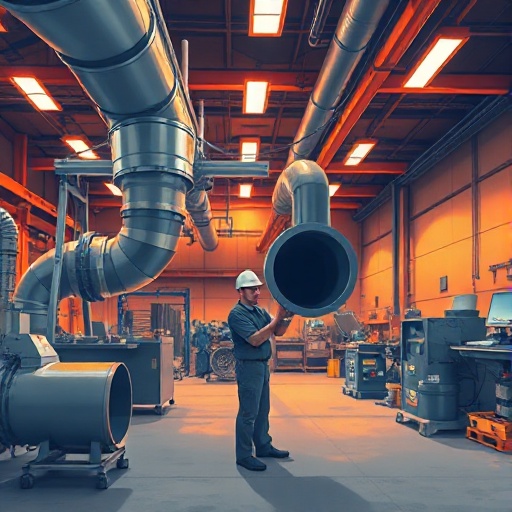
Suppliers now offer recycled steel and low-VOC sealants that meet environmental standards without sacrificing strength. Fabricators select these materials to reduce the carbon footprint of new ductwork systems. Some manufacturers coat ducts with water-based finishes instead of solvent-based paints, cutting emissions during production. Recycled content in sheet metal helps projects earn green building credits. Engineers evaluate bio-based insulation options that wrap air ducts while maintaining thermal performance. These choices support circular economy principles by allowing easier material recovery at end of life. Duct fabrication services that prioritize sustainable sourcing attract clients focused on corporate responsibility goals. Testing confirms that eco-friendly alternatives resist moisture and microbial growth as effectively as conventional products. The transition requires updated supplier relationships but yields measurable reductions in embodied energy for hvac duct installations.
Energy Efficiency and Airflow Optimization
Properly fabricated ducts maintain consistent pressure and directed airflow that lowers fan energy demand in hvac systems. Designers calculate duct diameters and lengths to minimize resistance while delivering required volumes to each zone. Smooth transitions and sealed joints prevent leakage that wastes conditioned air. Advanced fabrication achieves the precise geometries needed for optimal performance. Building operators track energy use before and after upgrades to quantify savings. Efficient airflow also improves indoor comfort by eliminating hot or cold spots. Ductwork fabrication that incorporates turning vanes and aerodynamic fittings further reduces turbulence. These details compound across large facilities to produce significant utility cost reductions. Maintenance teams find that well-designed systems require less frequent cleaning because dust settles less readily in smooth passages.
Lifecycle Assessment of Ductwork Systems
Engineers conduct lifecycle assessments that track material extraction, fabrication, installation, operation, and eventual recycling of duct components. Data shows that durable, well-sealed ducts lower total environmental impact by extending service intervals. Assessments also compare different insulation thicknesses to identify the best balance between upfront material use and long-term energy savings. Fabrication services that document material origins help clients complete these evaluations accurately. Replacement planning benefits when assessors identify which duct sections will reach end of life first. The process encourages selection of modular designs that allow partial upgrades instead of full system replacement. Owners use assessment results to prioritize maintenance budgets and forecast capital expenditures. Over time, this data-driven approach supports buildings that operate efficiently for decades while generating less waste.
The Role of Software in Duct Design and Fabrication
Using Calculators for Accurate Duct Length Measurements
Online and desktop calculators help engineers determine exact duct lengths needed for complex routing around structural elements. Users input room dimensions, equipment locations, and desired airflow rates to receive recommended sizes and runs. These tools reduce field adjustments that previously caused delays during installation. Fabricators import calculator outputs directly into cutting lists to avoid material shortages or excess. The precision supports tighter project budgets because contractors order only what the calculations specify. Many calculators now include pressure drop estimates that guide decisions on fan sizing. Ductwork fabrication teams that rely on these measurements produce systems that perform as modeled from day one. Regular updates to the software incorporate new code requirements and material options. This digital workflow replaces manual spreadsheets and improves collaboration between designers and shop floor personnel.
The Importance of CAD in HVAC Duct Planning
CAD platforms let designers create three-dimensional models of entire duct networks before any metal is cut. Clash detection identifies interferences with piping, electrical, or structural components early in the process. Detailed drawings generated from the model guide fabricators on exact bend angles and connection types. HVAC contractors use these models during coordination meetings to resolve conflicts without costly change orders. The software also produces bills of material that streamline procurement for duct fabrication services. Visualization tools help clients understand proposed layouts and approve designs faster. When changes occur, the model updates automatically across all views and schedules. This capability keeps fabrication schedules on track even on fast-track projects. Accurate CAD documentation further supports commissioning and future maintenance by providing clear records of every duct run.
Integrating Software with Fabrication Services
Modern fabrication shops connect design software directly to CNC machines through file export protocols. This direct link eliminates transcription errors between drawings and production equipment. Real-time status updates flow back to project managers so they can adjust schedules when material arrives or machines require maintenance. Integrated systems also track job progress against original estimates for cost control. Duct fabrication services that adopt these connections deliver finished products that match the digital model exactly. Cloud-based platforms allow remote teams to review and approve changes without visiting the shop. The integration extends to inventory management, automatically ordering common fittings when stock drops below thresholds. Overall, the connection between software and physical production shortens the path from concept to installed ductwork while raising quality standards across the industry.
Future Trends in HVAC and Duct Systems
Smart Duct Technology and IoT Integration
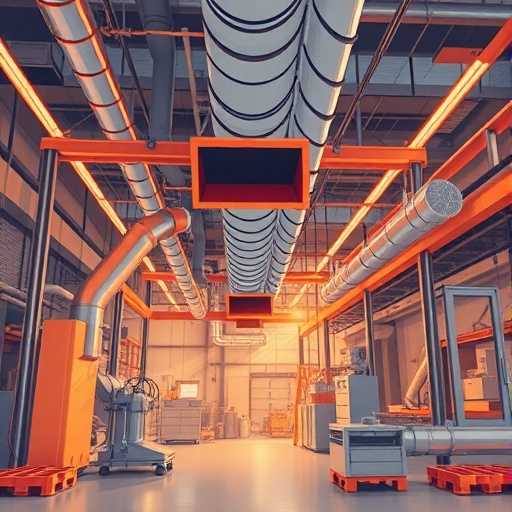
Embedded sensors now monitor temperature, humidity, and pressure inside ducts and transmit data to building management platforms. IoT gateways allow remote adjustment of dampers to balance airflow dynamically. Predictive algorithms analyze the data to flag developing issues such as filter loading or duct leakage before occupants notice discomfort. Fabrication teams install sensor ports during initial manufacturing so retrofits become unnecessary. Smart duct systems respond automatically to occupancy changes, reducing energy use during unoccupied periods. Integration with other building systems creates opportunities for whole-facility optimization. Manufacturers design ductwork that accommodates future sensor upgrades without major modifications. Facility managers gain dashboards that display real-time performance metrics for every zone. These capabilities position advanced duct fabrication as a foundation for intelligent buildings that adapt continuously to operating conditions.
The Impact of Climate Change on HVAC Duct Design
Rising outdoor temperatures increase cooling loads and require ducts that handle higher airflow volumes without excessive noise or energy penalties. Designers specify thicker insulation and vapor barriers to prevent condensation in warmer, more humid climates. Extreme weather events drive demand for ducts that withstand pressure fluctuations during storms. Fabrication services respond by offering reinforced seams and impact-resistant materials for exposed runs. Engineers also model future climate scenarios when sizing equipment and duct networks. Regional differences in temperature and precipitation patterns influence material choices and routing decisions. Ductwork that accommodates variable loads helps buildings maintain comfort during heat waves or cold snaps. Planning for these changes now prevents costly retrofits later. The industry continues to refine fabrication methods that support resilient hvac systems capable of performing under evolving environmental stresses.
Predicted Market Changes for Ductwork Fabrication Services
Market analysts forecast steady growth in duct fabrication demand driven by commercial construction and retrofits of aging buildings. Prefabrication off-site gains favor because it reduces on-site labor and accelerates schedules. Regional shops expand capacity to serve national contractors who prefer single-source suppliers for standardized ductwork. Digital procurement platforms make it easier for buyers to compare quotes and lead times from multiple fabrication services. Labor shortages push further investment in automation and training programs. Sustainability certifications become standard requirements in bid documents, favoring fabricators with documented environmental practices. Supply chain resilience influences decisions on material sourcing and inventory strategies. Companies that combine advanced fabrication capabilities with software integration position themselves for long-term contracts. The evolving market rewards flexibility and technical expertise in delivering high-performance duct systems.
See Also
- Understanding the Fabrication Process of Ducts for Better Air Quality
- The Art of Ductwork Fabrication Techniques Every HVAC Professional Should Know
- A Beginner’s Guide to Ductwork Fabrication Calculations and Measurements
- Exploring Eco-Friendly Options in Duct Fabrication and Manufacturing
- Innovative Materials Revolutionizing Duct Fabrication in Modern HVAC Systems